


FOMC Minutes Today: 3 USD and Gold Scenarios Traders Should Prepare For
The Fed releases the July FOMC minutes on 19 August 2026. Here are three USD and gold scenarios, confirmation signals, and a practical risk checklist for traders.
Original

简体中文
繁體中文
English
Pусский
日本語
ภาษาไทย
Tiếng Việt
Bahasa Indonesia
Español
हिन्दी
Filippiiniläinen
Français
Deutsch
Português
Türkçe
한국어
العربية
اردو




Abstract:Colombian President Gustavo Petro is embroiled in controversy following allegations that he accepted over $500,000 in cryptocurrency from a fraudulent crypto project to fund his 2022 presidential campaign.
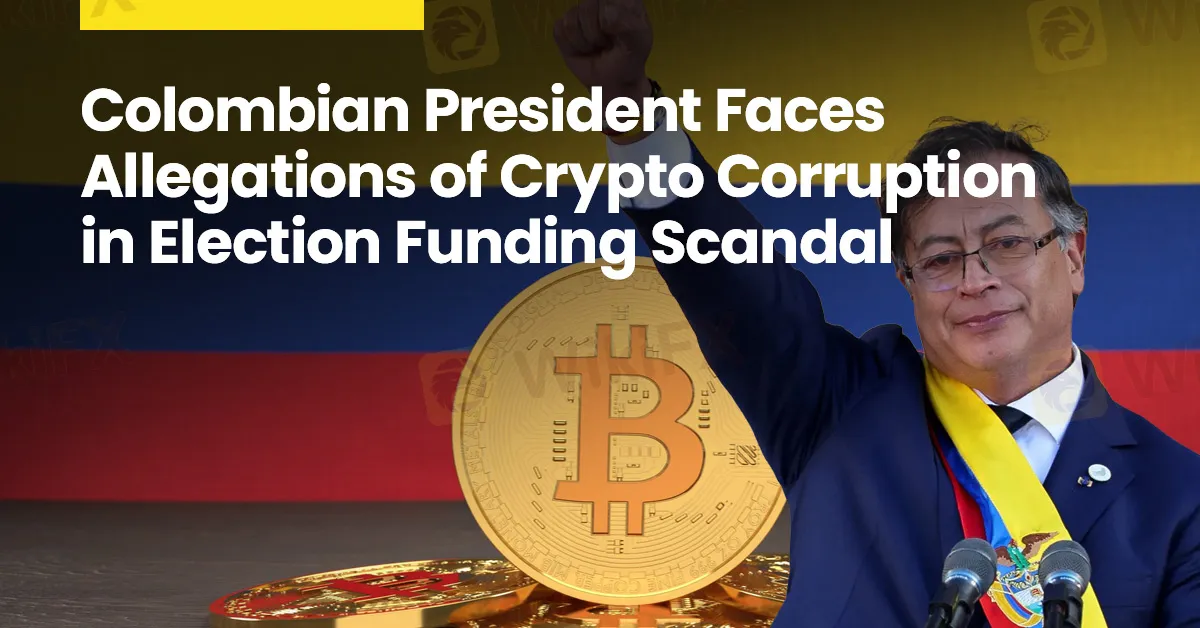
Colombian President Gustavo Petro's tenure has recently been shadowed by controversy, with allegations surfacing that he accepted a significant sum of cryptocurrency—exceeding $500,000—from a crypto project, Daily COP, to finance his 2022 presidential campaign. This startling revelation has stirred widespread debate and scrutiny, prompting a closer examination of the intersection between political funding and the burgeoning world of digital currencies.
The heart of the matter lies in the reported contribution of 2 billion Colombian pesos by Daily COP to Petro's campaign efforts, a move that raises pertinent questions about the transparency and integrity of electoral financing processes. Omar Hernández, a former contractor associated with Daily COP, shed light on the matter, disclosing details of a meeting convened in February 2022. Attended by Daily COP co-founder Sebastián Betancourt, Petro's campaign manager Ricardo Roa, and Hernández himself, the meeting served as the backdrop for discussions on the donation. The discourse spanned topics ranging from the advantages of cryptocurrencies over traditional banking systems to the potential regulatory landscape and the adoption of blockchain technology.

The intricate web of connections and discussions unveiled during the meeting hints at broader implications beyond mere campaign financing. It suggests a possible interest on the part of Daily COP in forging a symbiotic relationship with the government, should Petro secure the presidency—a prospect that underscores the evolving dynamics between the political establishment and emerging technologies.
These allegations compound an already tumultuous landscape for President Petro, who has weathered previous accusations of illicit campaign financing. Last year, the attorney general's office of Colombia initiated an investigation into claims of impropriety surrounding Petro's 2022 electoral campaign, casting a pall over his administration's legitimacy and ethical standing.
In a seemingly unrelated but nonetheless significant development, Petro made waves in 2023 with his overt engagement in the cryptocurrency sector, particularly with Bitcoin. His public embrace of Bitcoin was punctuated by a notable event where Samson Mow, Chief Strategy Officer of Blockstream, presented Petro with 100,000 satoshis—a symbolic gesture that not only signaled Petro's personal entry into the realm of cryptocurrencies but also hinted at strategic national interests in leveraging blockchain technology for economic growth and innovation.
These recent developments unfold against the backdrop of Colombia's evolving stance on cryptocurrency regulation. With the Financial Superintendency of Colombia reportedly exploring avenues for accommodating crypto ventures within existing regulatory frameworks, the country stands at a pivotal juncture in its approach to digital assets. Inspired by the precedent set by El Salvador, which made history in 2021 by becoming the first nation to embrace Bitcoin as legal tender, Colombia faces the dual challenge of embracing innovation while safeguarding against potential risks and vulnerabilities associated with unregulated financial ecosystems.
As Colombia navigates this complex terrain, the allegations surrounding President Petro serve as a stark reminder of the intricate interplay between politics, finance, and technology in the digital age. They underscore the imperative for robust regulatory oversight and ethical governance frameworks to uphold the integrity and credibility of democratic processes, while also fostering an environment conducive to innovation and progress. In an era defined by rapid technological advancements and shifting paradigms, the stakes have never been higher for policymakers and leaders alike as they chart a course towards a more inclusive, transparent, and resilient future.

Disclaimer:
The views in this article only represent the author's personal views, and do not constitute investment advice on this platform. This platform does not guarantee the accuracy, completeness and timeliness of the information in the article, and will not be liable for any loss caused by the use of or reliance on the information in the article.
The Fed releases the July FOMC minutes on 19 August 2026. Here are three USD and gold scenarios, confirmation signals, and a practical risk checklist for traders.
Has your trading experience with Market10, a South Africa-based brokerage entity, been miserable? Did you fail to receive funds in your trading account despite approvals on the Market10 login dashboard? Did the broker constantly push you into depositing while withholding your earlier funds? In this Market10 review, we have shed light on the growing allegations against the broker. Additionally, we have provided an overview of the broker’s regulatory status.
India's rupee is expected to open near 95.14-95.16 per US dollar after closing at 95.2075 on Friday, while Brent crude was quoted at $84.50 and RBI market presence supported the currency. This report separates a reported market intervention from a fixed exchange-rate target, explains why oil, US employment data and Federal Reserve expectations matter, and gives a practical risk checklist for forex trading India. It also explains why volatility is not a reason to trust unverified online forex trading platforms.
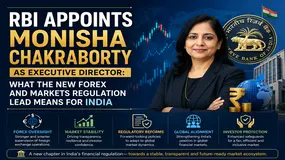
The Reserve Bank of India has appointed Monisha Chakraborty as Executive Director with effect from 3 August 2026; she will oversee the Foreign Exchange Department and the Financial Markets Regulation Department. Chakraborty is a career central banker with over three decades of experience in Supervision, Foreign Exchange, and Government and Bank Accounts, and previously served as Banking Ombudsman. This report explains the significance of the new RBI Executive Director appointment for forex regulation India, the scope of the Foreign Exchange Department and the Financial Markets Regulation Department, and what authorised persons, banks, and forex market participants should monitor as the new ED takes charge.
WikiFXWikiFXWikiFXWikiFXWikiFXWikiFXWikiFXWikiFXWikiFXWikiFX