


OANDA Review 2026 for India
OANDA review for India covering global regulation, RBI forex rules, OANDA login security, platforms and regulatory history.
Original

简体中文
繁體中文
English
Pусский
日本語
ภาษาไทย
Tiếng Việt
Bahasa Indonesia
Español
हिन्दी
Filippiiniläinen
Français
Deutsch
Português
Türkçe
한국어
العربية
اردو




Abstract:Oil prices have come under pressure amid mounting concerns over U.S. import tariffs and rising output from OPEC+ producers. With tariffs on key trading partners and supply increases dampening fuel demand expectations, investor appetite for riskier assets has cooled. This shift in sentiment poses a range of implications for different segments of the investment landscape.
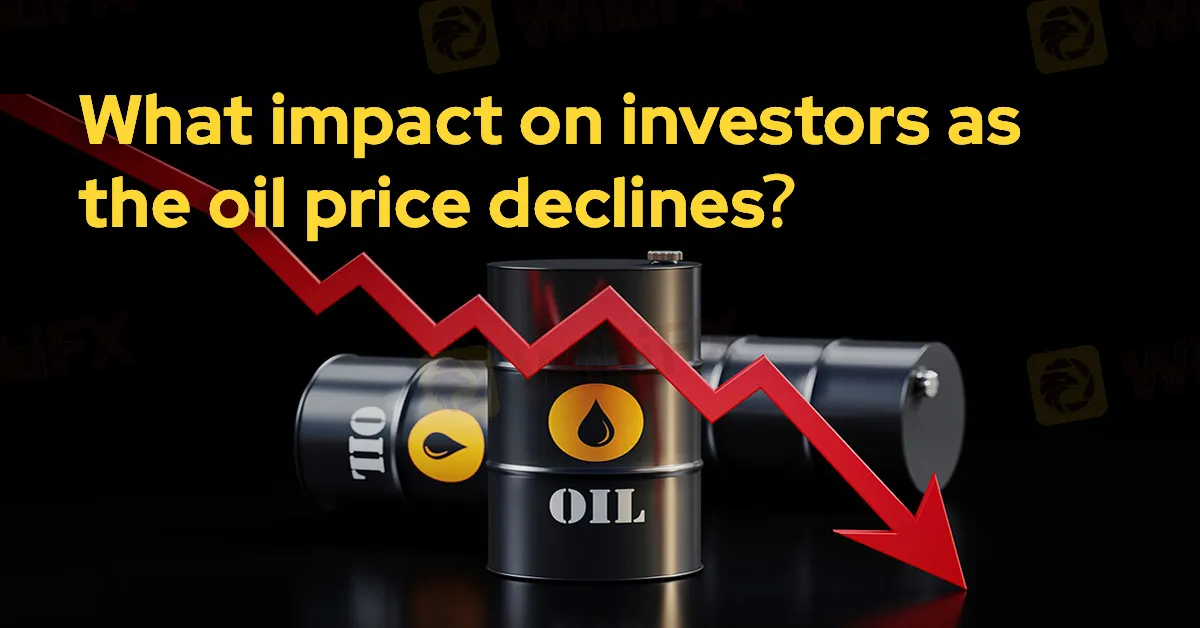
Oil prices have come under pressure amid mounting concerns over U.S. import tariffs and rising output from OPEC+ producers. With tariffs on key trading partners and supply increases dampening fuel demand expectations, investor appetite for riskier assets has cooled. This shift in sentiment poses a range of implications for different segments of the investment landscape.
A Cautious Market Environment
Recent trading sessions have seen oil prices held relatively steady, as uncertainty surrounding U.S. import tariffs—imposed on countries like Canada, Mexico, and China—casts a shadow over global economic growth. When tariffs raise the cost of imported goods, economic activity can slow, reducing fuel demand. At the same time, higher production from OPEC+ producers adds to global supply pressures. For investors, these factors combine to signal potential headwinds, prompting a move away from high-risk investments.
Effects on Energy Stocks
For investors with significant exposure to the energy sector, falling oil prices can be a double-edged sword. On one hand, lower oil prices reduce production costs for many industries, potentially easing inflationary pressures and lowering operational expenses. On the other hand, they tend to squeeze profit margins for oil producers and energy companies. With earnings forecasts revised downward, energy stocks may see declining dividends and share prices, which can hurt portfolios heavily weighted in this sector.
Shifting Sector Allocations
As riskier assets lose their luster, investors are increasingly favoring defensive sectors such as consumer staples, healthcare, and utilities. Lower oil prices often lead to reduced fuel costs for transportation and manufacturing, which can boost consumer spending. However, this cost reduction is sometimes offset by weaker growth expectations due to subdued global demand. The net effect is a rebalancing of portfolios away from cyclical and commodity-driven stocks toward assets that are perceived as safer in a volatile environment.
Broader Macroeconomic Implications
Falling oil prices can indirectly benefit the overall economy by lowering inflation and increasing disposable income for consumers. Cheaper energy costs may help boost consumer spending on non-energy products, supporting corporate earnings in sectors less tied to oil. However, if the decline in oil prices is viewed as a symptom of slowing global growth, investors might also brace for broader economic weakness. In such a scenario, even non-energy stocks may be under pressure, as cautious sentiment pervades the market.
Strategies for Investors
Given the mixed impacts, investors may consider several strategic adjustments:
Conclusion
The current environment of declining oil prices, driven by tariff uncertainty and increased OPEC+ output, is reshaping investor behavior. While lower oil costs can reduce expenses for consumers and some industries, they also weigh on the profitability of energy producers and send mixed signals about global economic growth. As a result, investors are turning away from riskier assets and rebalancing their portfolios toward more defensive investments. Staying informed and agile remains key for navigating these turbulent market conditions.

Disclaimer:
The views in this article only represent the author's personal views, and do not constitute investment advice on this platform. This platform does not guarantee the accuracy, completeness and timeliness of the information in the article, and will not be liable for any loss caused by the use of or reliance on the information in the article.

OANDA review for India covering global regulation, RBI forex rules, OANDA login security, platforms and regulatory history.
This TPFx review examines PT Trijaya Pratama Futures, Broker Code 4461810512, its Bappebti record, the Q1 2026 A+++ assessment, look-alike website warning, product costs, withdrawals and complaint route for traders researching an Indonesia forex broker.

Angel One, an India-based brokerage entity, constantly receives allegations from users online. Users are complaining about withheld funds, poor customer support service, undesired trade execution orders, etc. In this Angel One review, let’s quickly go through these complaints, understand its regulatory framework and pay attention to the product portfolio.

AuroraEx, a United States-based multi-asset brokerage entity, is facing serious user allegations over how it handles deposited funds. Many users have accused the broker of failing to meet its payment obligations. Some have questioned the broker over possible trade-related foul play, while others have alleged that it scammed them through a Ponzi operation. This AuroraEx review examines these user-reported allegations and provides an overview of the broker’s regulatory status.
WikiFXWikiFXWikiFXWikiFXWikiFXWikiFXWikiFXWikiFXWikiFXWikiFX