

Global Broker Regulation Inquiry App
About WikiFX
English
简体中文
繁體中文
English
Pусский
日本語
ภาษาไทย
Tiếng Việt
Bahasa Indonesia
Español
हिन्दी
Filippiiniläinen
Français
Deutsch
Português
Türkçe
한국어
العربية
اردو


Oil Prices Spike 2.5% Following Attack on Vessel in Strait of Hormuz


Abstract:US stock futures fell early Tuesday as US-Iran tensions and renewed inflation concerns pressured markets. The main driver was a rise in oil prices of nearly 2.5% following the expiration of the US-Ira
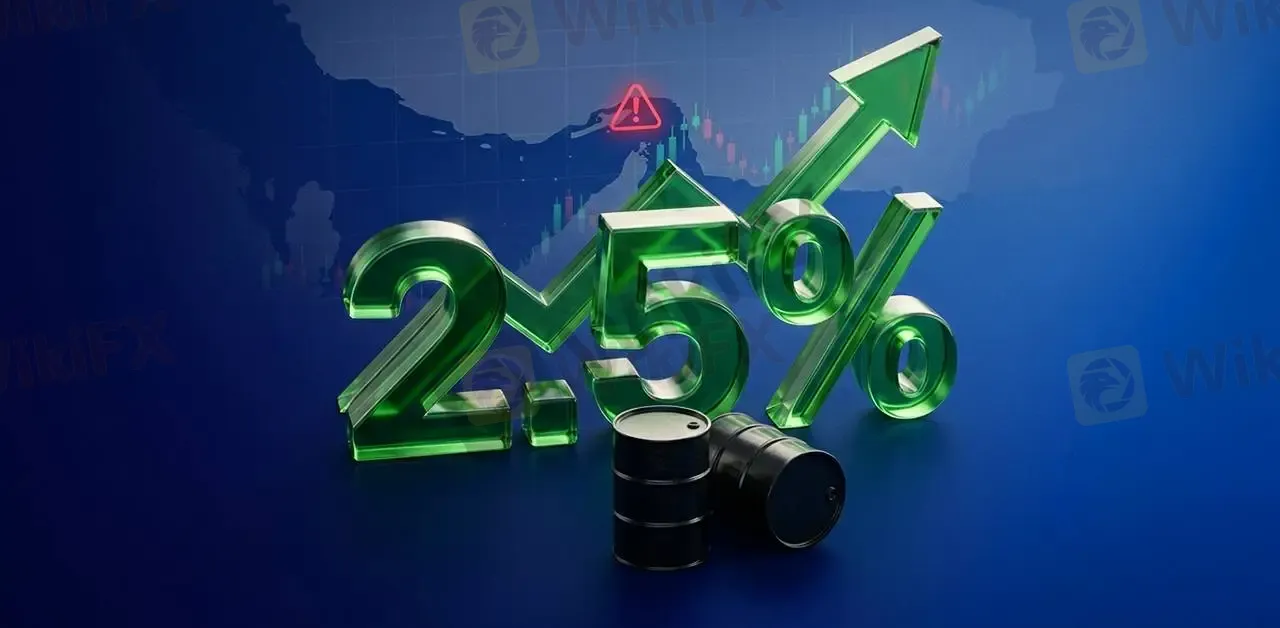
US stock futures fell early Tuesday as US-Iran tensions and renewed inflation concerns pressured markets. The main driver was a rise in oil prices of nearly 2.5% following the expiration of the US-Iran ceasefire without a new agreement. Stalled negotiations and renewed threats of military action increased concerns about energy supplies. Higher oil prices also revived inflation fears, pushing long-term Treasury yields higher, with the 30-year yield reaching its highest level since June 2007.
The geopolitical situation worsened after a 60-day negotiating ceasefire expired without a new agreement and President Trump ruled out extending the ceasefire.
In Asia, markets were mixed, with South Korea‘s Kospi almost 2%, while Japan’s Nikkei fell 1% and Hong Kongs Hang Seng declined 0.2%.
In the UK, unemployment rate remained at 4.9% in the three months to June, slightly above the 4.8% expected. Payroll employment increased by 83,000, well below expectations of 129,000, suggesting some softening in the labor market. The softer employment figures put less pressure on the Bank of England to raise rates, which contributed to a modest decline in the GBPUSD to around $1.3500 in the past few hours.
Gold is trading slightly below $4,400, ending a two-day winning streak as the US dollar rebounds from a two-month low. Higher oil prices and renewed US-Iran tensions are increasing inflation concerns, supporting expectations that the Fed could still deliver at least one rate hike in 2026 and putting pressure on non-yielding gold.
Although last week‘s softer US inflation and retail sales data reduced expectations for an imminent Fed hike, markets still see a probability of at least one rate increase before the end of 2026. This uncertainty is supporting the dollar and limiting gold’s upside.
The next major catalyst is the FOMC minutes on Wednesday, which could provide further clues about the Feds policy direction and determine the next major move in both the dollar and gold.
Disclaimer:
The views in this article only represent the author's personal views, and do not constitute investment advice on this platform. This platform does not guarantee the accuracy, completeness and timeliness of the information in the article, and will not be liable for any loss caused by the use of or reliance on the information in the article.
WikiFX Broker
Latest News
Review 2026: GFS Withdrawal Complaints, Regulation Gaps, and Broker Risk Signals
 WikiFX
Interactive Brokers changes overnight order default in TWS
WikiFXPlus500 Joins Bahamas Forex and CFD Industry Association
WikiFXReview 2026: XORKETS FX Withdrawal Complaints and Unregulated Risk
WikiFXASIC Pulled 19,400 Scams as AI Deepfakes Target Investors
WikiFXSpec Capital Group Secures ASIC Licence for Wholesale CFD Services
WikiFXTriumphFX Review: Revoked Licence and TFX Token Losses Warrant Caution
WikiFXMalaysian Doctor Loses RM558,000 to Forex-Crypto Scam
WikiFXadmiral Review 2026: Clone Warnings, Withheld Profits, and Withdrawal Risks
WikiFXTenTrade Review 2026: Complaints, Withdrawals, and Risk Signals
WikiFX